
Gaming is under pressure, the bar is shrinking and diners are walking towards clubs looking for value. The bistro, not the pokies room, will decide which clubs are still standing in ten years.
By Chef Malcolm Richardson · 22 November 2026
Walk into almost any club bistro in regional Australia on a Tuesday night and you can guess the menu before you sit down. Chicken parmy. Schnitzel. Fish and chips. A rump cooked to whatever the person on the grill thinks medium means. Seniors' special. Pudding of the day. A laminated menu with forty items on it and a whiteboard of specials that hasn't changed since winter.
There's nothing wrong with any of those dishes. Done well, a parmy is one of the great Australian meals. The problem is that nobody is really thinking about them.
I've spent my working life in kitchens, on both sides of the pass. I trained at Le Cordon Bleu, I've run brigades, I've costed menus line by line, and I've cooked in clubs. One thing keeps coming back to me: most clubs are running a food business without treating it like one. They hand the bistro to whoever will take it, measure it by whether it lost money this month, and hope the gaming room covers the difference.
The numbers say we can't afford to keep doing that.
ClubsNSW's own figures put more than half of New South Wales clubs in its 'Unbalanced' or 'Distressed' groups in 2025. These clubs are short on profit and cash and are borrowing to stay open. Gaming still brings in about 45 per cent of their income.
Queensland isn't better. The State Government says an average of 12 clubs have closed here every year for the past decade. Its answer was to let bigger clubs absorb smaller ones and to lift the cap on poker machines. That might be a lifeline, but it isn't a business model.
None of this is new. KPMG's 2015 club census found 41 per cent of clubs showing signs of financial distress, and 57 per cent of the small ones. We've had ten years of warnings, and in most clubs the bistro looks exactly as it did then.
For decades the gaming room has covered for a weak bistro. That arrangement is running out of road.
NSW poker machine losses hit a record of about $9.3 billion in 2025, and every one of those dollars has a politician, a welfare agency and a newspaper watching it. Industry analysts say tighter gaming laws and online betting are steadily pulling gambling spend away from venues. Whatever you think of pokies, building your club's future on the one revenue line every government wants to squeeze is a gamble in itself.
The bar is shrinking too. Half of Australians say cost-of-living pressure has changed how they drink. Nearly three in ten are drinking less, and one in three are less likely to shout a round than a year ago.
If gaming and grog are both under pressure, what's left? The kitchen.
Here's the part that frustrates me most. The opportunity is sitting right in front of clubs.
Wes Lambert, who heads Restaurant & Catering Australia, says people still want to eat out but are swapping restaurant and café meals for the better value they get at fast food outlets, pubs and clubs. OpenTable's 2026 research says Australians plan to eat out about five times a month, and nearly three-quarters see a meal out as a way to stay connected with people.
What do those diners want? Value, first and foremost. In one 2025 survey, more than half said they want better portion sizes, and almost two-thirds said they'd rather have a straight discount than a loyalty scheme.
That is a club bistro's natural territory. Generous, honest food at a fair price, in a room where you can bring your nan and your kids, park out the front, and nobody looks at you sideways for ordering a lemon squash. Pubs have worked this out. Many of them have spent the last decade turning the bistro into the main event. Too many clubs are still treating it as the room you walk through to get to the machines.
Some of the best real estate in this country belongs to clubs. Drive the NSW South Coast and count them: bowling clubs, golf clubs, surf clubs and RSLs sitting on headlands, beachfronts and river mouths that a developer would give anything for. Look out over the water at Mollymook or Bermagui and you're looking at a view people fly in from overseas to see.
And too often, what's on the plate in front of that view is an afterthought, served in a room with the blinds half down and the best tables given over to a TV screen or a storeroom.
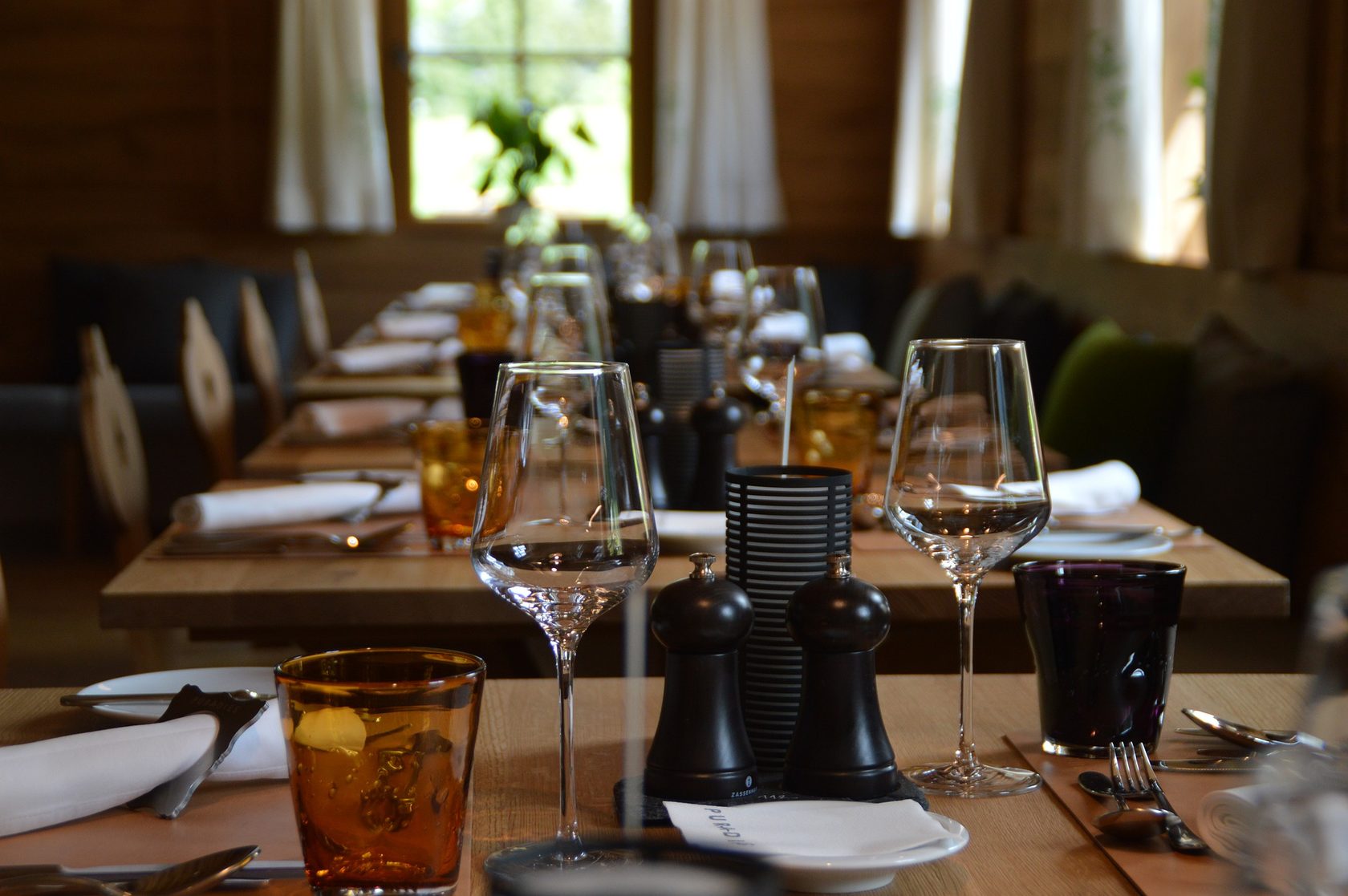
You don't need a fine-dining menu when you've got the best view in the world. You need a simple dish done perfectly. A properly crumbed parmy, hot and generous, eaten with the waves rolling in below you, will hit harder than a degustation in a windowless city dining room. Fish and chips with local fish, a cold beer and a sunset over the ocean is a meal people tell their friends about and come back for every holiday.
The mistake I see is clubs trying to compete with restaurants. They put on a fussy menu they can't staff, charge restaurant prices for food they can't execute, and end up doing neither thing well. That isn't the game. The restaurant down the street has a chef with a reputation. The club has the headland. Play to that.
The view is the one thing no competitor can copy and no chef can cook. Clubs that already own it are leaving money on the table every sunny afternoon they don't use it.
You don't need a fine-dining chef to fix a club bistro. You need an experienced one who thinks like a business owner. A good menu isn't a list of everything the kitchen can cook. It's a plan for how the kitchen makes money, keeps its staff sane and sends people home happy. This is how I build one.
Start with fewer dishes. A forty-item menu means forty things half-done, a coolroom full of product that turns over too slowly, and a line cook trying to remember thirty garnishes on a Saturday night. Cut it to what you can do brilliantly with the team you actually have. For most club bistros that's somewhere around twelve to eighteen mains, plus specials. Every dish should earn its place.
Cost every plate, properly. Every item needs a written recipe card with weights, yields and a cost, updated when supplier prices move. Every chef I respect knows the food cost percentage of every line on their menu. If you can't tell me what your parmy costs to put on the pass, down to the cheese and the side salad, you're guessing, and guessing is how bistros lose money while staying busy.
Engineer the menu. Look at each dish on two things: how many you sell and how much you make on each one. The dishes that sell well and make good money get the best spot on the menu and the best description. The popular ones with thin margins get re-costed or re-portioned. The ones that make money but don't sell get a better name, a better spot or a staff push. The ones that do neither come off. This isn't fancy. Restaurants have done it for forty years. Most clubs never do it at all.
Cross-use your ingredients. The beef that goes into the Sunday roast should come back in Monday's steak sandwich and Wednesday's pie. The chicken thigh in the curry is the same thigh on the kids' menu. A tight, overlapping ingredient list cuts waste, simplifies ordering and lets a small brigade cope with a big night.
Give people a choice of portion. Half serves, seniors' sizes and lighter plates aren't a gimmick. Around one in ten Australians are expected to be on weight-loss medications like Ozempic by 2030, and plenty of older members simply eat less. Someone who can't finish a plate feels like they wasted money, and they remember that feeling longer than they remember the taste. A good half serve sold at a fair price often makes a better margin than the full plate.
Value, not cheap. A $15 schnitzel made from frozen product isn't value. A $24 schnitzel that's hand-crumbed, generous and the same every single time is. Consistency is the most underrated part of value. A member who gets a great meal one week and a sad one the next stops trusting the kitchen. Run real specials that people talk about at the bowls green, not points they forget to redeem.
Cook with your district. Local beef, local produce, local bakers, a dish with a story. A community club is the one venue that has every right to say 'this came from down the road'. Members like it, suppliers become advocates, and it gives your menu something the chain pub up the highway can't copy.
Change with the seasons, not on a whim. A core menu that stays put, with seasonal dishes rotating every quarter, gives regulars their favourites and gives them a reason to come back. It also keeps your chefs interested, which matters more than most boards realise.
Design for the room you have. A club bistro serves toddlers, pensioners, tradies, birthday tables of twenty and a couple on their first date, often all at once. The kids' menu should be food a parent is happy to pay for. There should be a genuine vegetarian option, not a sad pasta. And the menu should be written so a first-timer can order in under a minute.
Treat the bistro as the front door. It's the one reason a family, a non-gambler or a future member walks in. A tired menu tells them the club has given up. A good one tells them the club is alive.
Every operator will tell you they can't find chefs. They're right. Chefs have been on the national shortage list for at least four years, and Tourism Training Australia reports cookery student numbers have fallen by more than half since 2019.
But look at how we treat the chefs we do have. A survey reported by The Conversation found 44 per cent of chefs were in insecure work despite the shortage, and about one in five hospitality workers experience depression. One industry report puts the cost of hospitality staff turnover at $3.8 billion a year, with 42 per cent of new hires gone within 90 days. Replacing a single frontline worker costs somewhere between $3,000 and $5,000 once you count advertising, training and the mistakes made while someone learns.
Too many clubs hire a cook on casual rates, hand them a menu they didn't write and a budget they can't see, give them no say in ordering and no one to learn from, and then wonder why they've left by Easter. That churn costs more than paying a good head chef properly.
Back in 2015 I wrote a piece for Hospitality magazine called 'People power: look after the ones running your business'. I argued then that your staff are at once your biggest liability and your biggest asset. Ten years on, with a national chef shortage and turnover costing the industry billions, I'd argue it even harder.
You might own the business, but you're not the only one running it.
That's the line from that piece I still come back to. On a Friday night in a club bistro, the people running the business are a head chef, a couple of cooks, an apprentice, a kitchenhand and four or five floor staff. The board isn't there. The CEO has usually gone home. Those people are the club for the three hours the room is full.
In that article I told a story I've never forgotten. A restaurant owner wins a local award and gets up to make a speech. He thanks the people who voted, he thanks his competitors, and he forgets to mention his staff. Meanwhile, back at the restaurant, those same staff are watching the speech on a screen while they mop the floor. I didn't give that team long, and I was right. Recognition is free, and forgetting it is one of the most expensive mistakes an owner can make.
I also pushed back on something clients used to tell me: that staff leave work at work. They don't. Good staff lie awake worrying about a bad service, a dish that went back, a shift that fell apart. They feel responsible for the business, often more than the people who own it. In this industry, a bad workplace doesn't just cost people their income. It can cost them their health and their families.
The practical ideas from that piece still work, and they cost almost nothing:
When I say a club needs an experienced chef running the kitchen, I don't mean someone who can cook a nice risotto. I mean someone who manages a business unit. In practice, that looks like this:
A chef like that isn't cheap. But compare their salary with the cost of a kitchen that churns through cooks, throws out ten per cent of its stock and serves food members stop coming back for. The experienced chef is the cheaper option every time.
Most boards can tell you their gaming turnover to the dollar, week by week. Ask them for the bistro's food cost percentage, covers, average spend per head, labour cost or staff turnover, and you'll often get a blank look.
That has to change. If the kitchen is going to carry more of the load, and it will have to, then boards need to measure it with the same seriousness they bring to the gaming floor. They should also give the person running it the authority to match the accountability. You can't hold a chef responsible for food cost while a committee member insists on keeping the dish his wife likes on the menu.
Boards also need to accept that the bistro is an investment, not a cost centre to be squeezed. A properly fitted kitchen, a decent salary for a head chef and a budget for training will pay for themselves in members who come back, families who become members and functions that book again.
Clubs were built as community places. The bistro is where that community actually sits down together: birthdays, wakes, Friday night with the grandkids, the bowls crew after a game, the old blokes who've had the same table every Thursday for twenty years.
The customers are coming. They want good food at a fair price in a place that feels like theirs. The question is whether we'll have a menu worth ordering from and a team that's still there to cook it.
The pokies room might pay the bills today. The kitchen decides whether there's still a club in ten years.