
By Chef Malcolm Richardson
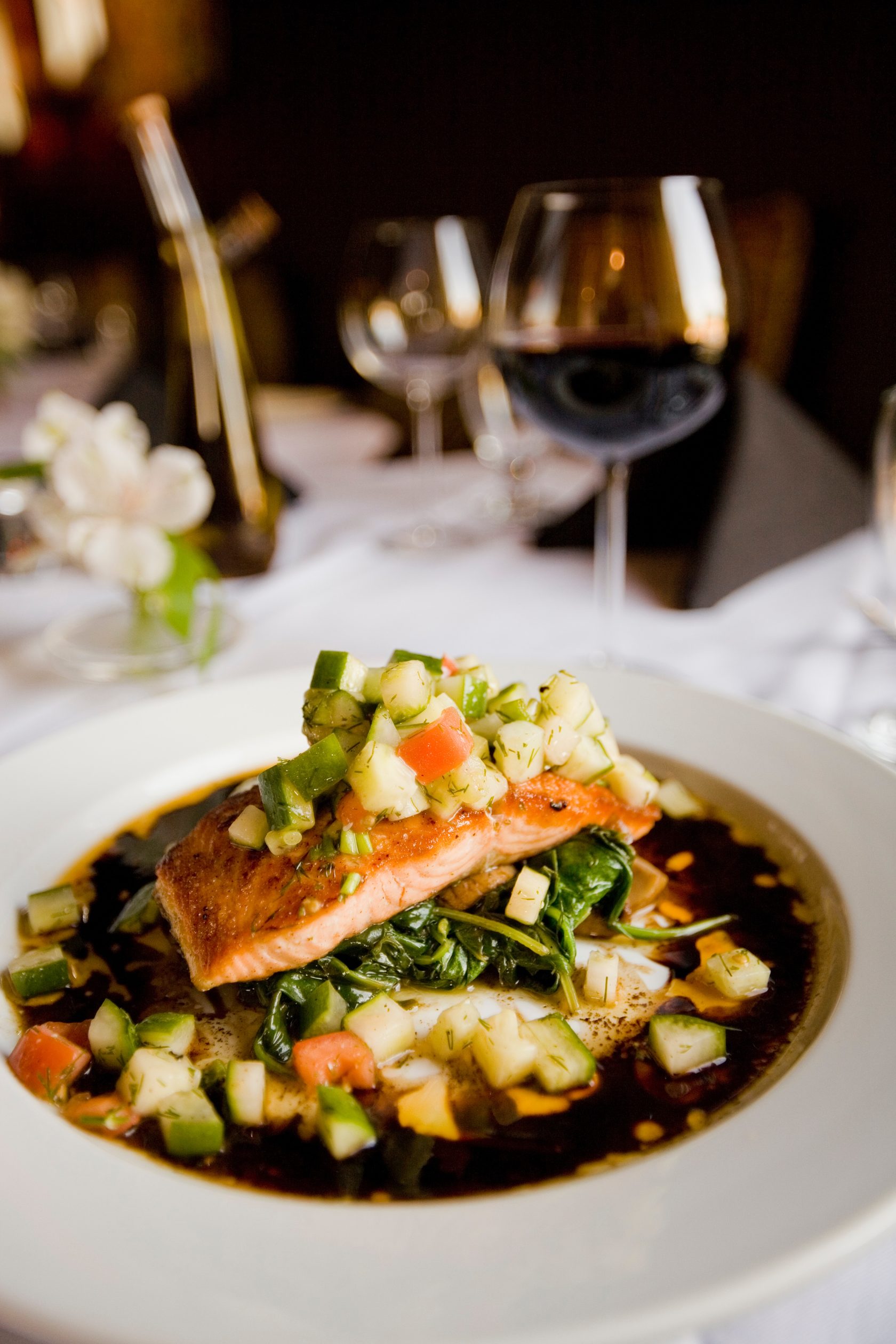
If you can't tell me what a dish costs to put on the pass, you're guessing, and guessing is how busy venues lose money. Costing a plate isn't complicated. It takes about 15 minutes per dish, and it's the most valuable 15 minutes you'll spend on your menu.
List every ingredient on the plate, including the garnish, the sauce, the side salad and the oil in the fryer. Weigh each one as it's actually served, not as the recipe says.
Take your latest invoice price and work out the cost per gram or per millilitre. For anything with waste, like whole fish, a rump with fat trim or a bunch of herbs, use the usable weight after trimming. That's your yield, and ignoring it is the most common costing mistake I see.
Multiply each portion weight by its unit cost and total the plate.
Divide the plate cost by the menu price excluding GST, then multiply by 100.
What's a good number? It depends on your venue, your labour and your rent, but most chefs I know aim for somewhere around 28–32% across the menu. Some dishes will sit higher and some lower. What matters is that you know which is which.
Prices move. Update your cards whenever a supplier price changes by more than a few per cent, and at least every quarter. A spreadsheet works fine. The point is that it's written down and current.
Once every dish is costed, you can see which ones earn their place.
Put your best earners where the eye lands first on the menu, re-portion or re-price the ones that don't pay, and take off the ones that neither sell nor make money.